Bedtime Stretching and Fitness Exercises: Shaping Exercises for 11 Parts of the Body Before Bed
This article introduces a complete set of stretching exercises that can be done every night before bed, including stretches for 11 areas: the waist, inner thighs, thighs and buttocks, ribs, upper arms, legs, buttocks, and back. It also explains precautions for stretching exercises, such as moving slowly, maintaining proper breathing, and progressing gradually.
2026-04-13
Yoga for Beginners: Preparatory Lessons, Principles of Postures for Weight Loss, and Basic Pose Techniques
This article introduces the preparations before yoga practice (a quiet place, comfortable clothing, natural music), and the weight loss principle of yoga postures by stimulating the thyroid gland and accelerating metabolism. It provides detailed explanations of basic poses such as stretching poses, simplified twisting poses, leg-swaying poses, buttock-shaping poses, and neck-shaping poses,...
2026-04-13
Belly dance warm-up techniques and mirror photography tutorial: basic preparation, practice taboos, and full-body warm-up exercises.
Before formally practicing belly dancing, a scientific warm-up and the right mindset are crucial. This article introduces the tutorial's innovative "mirror photography" teaching method, clarifies common mistakes such as aligning your toes and knees, and provides a complete warm-up routine from head to legs to help you build a solid foundation.
2026-04-12
Days 5-7 of the practical course: Circular hip-lifting exercise and a 7-day full-length dance routine for a glamorous advancement.
As the practical training enters its final stage, this article focuses on teaching circular rotations of the waist and chest, effectively correcting the pelvis and significantly improving the hip curve. Day 7 further connects the 12 basic movements, challenging participants to a 3-minute full-length dance routine. The article also details Bonus Movement application techniques, helping...
2026-04-12
The Art of Breathing and Posture: Regaining Confident Beauty Through Abdominal Breathing and Graceful Body Training
Relaxation and proper posture are crucial for weight loss. This article introduces the specific steps of abdominal breathing and emphasizes the positive effects of correct and graceful walking posture, raising your gaze, and moving your body in rhythm on boosting self-confidence. These simple daily habits will help you say goodbye to slouching and embrace a slimmer you with a more positive...
2026-04-11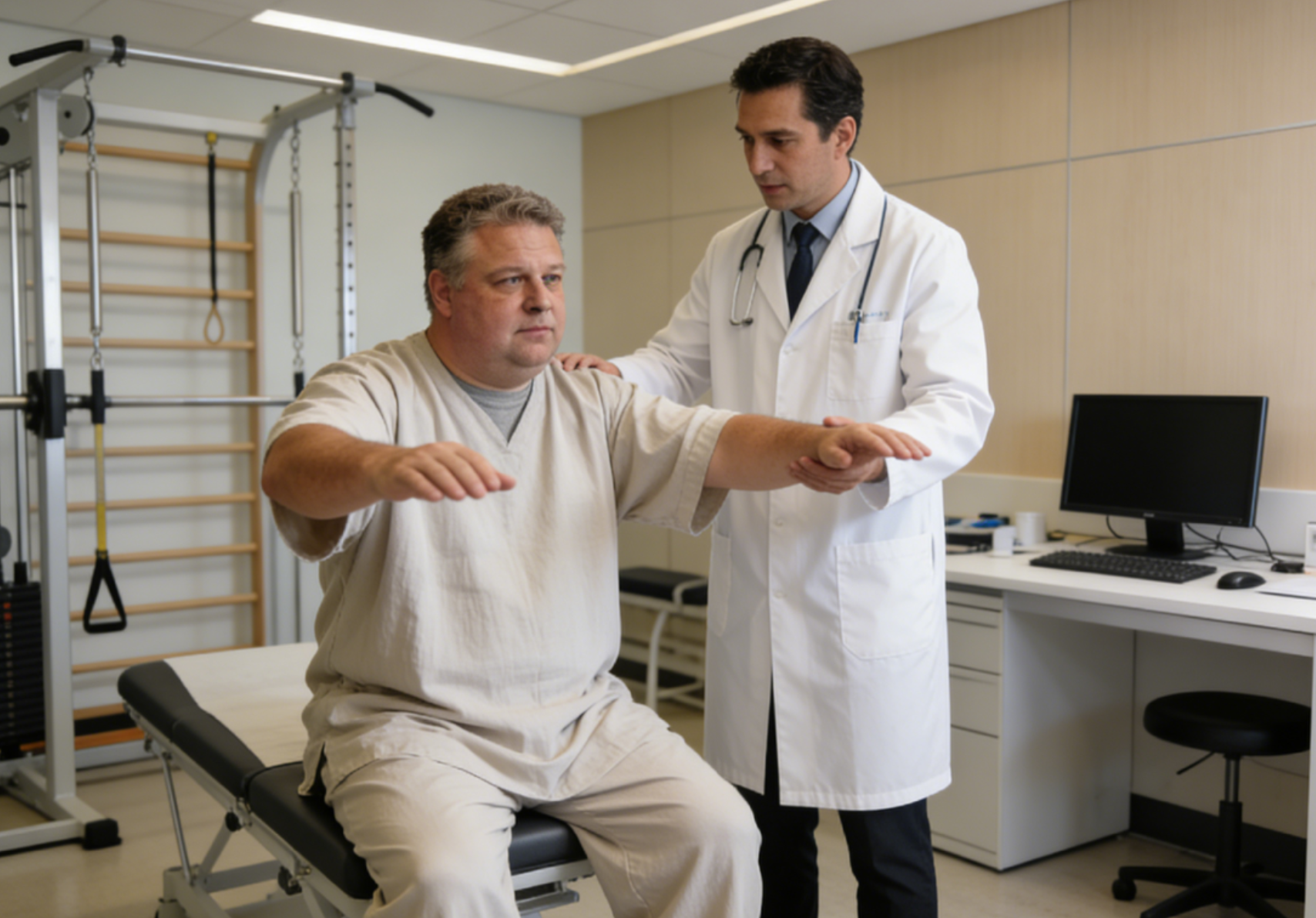
Bodybuilding and weight loss method: trunk balance, mental conditioning and full-body tapping guidance
This article continues the discussion of the last four sections of the bodybuilding and weight loss method: trunk exercises, head exercises, striking exercises, and harmonizing exercises. Through movements such as waist twisting and arm swinging, the joints of the spine are exercised; acupressure on the head is used to prevent premature brain aging; and patting and striking of various parts of...
2026-04-11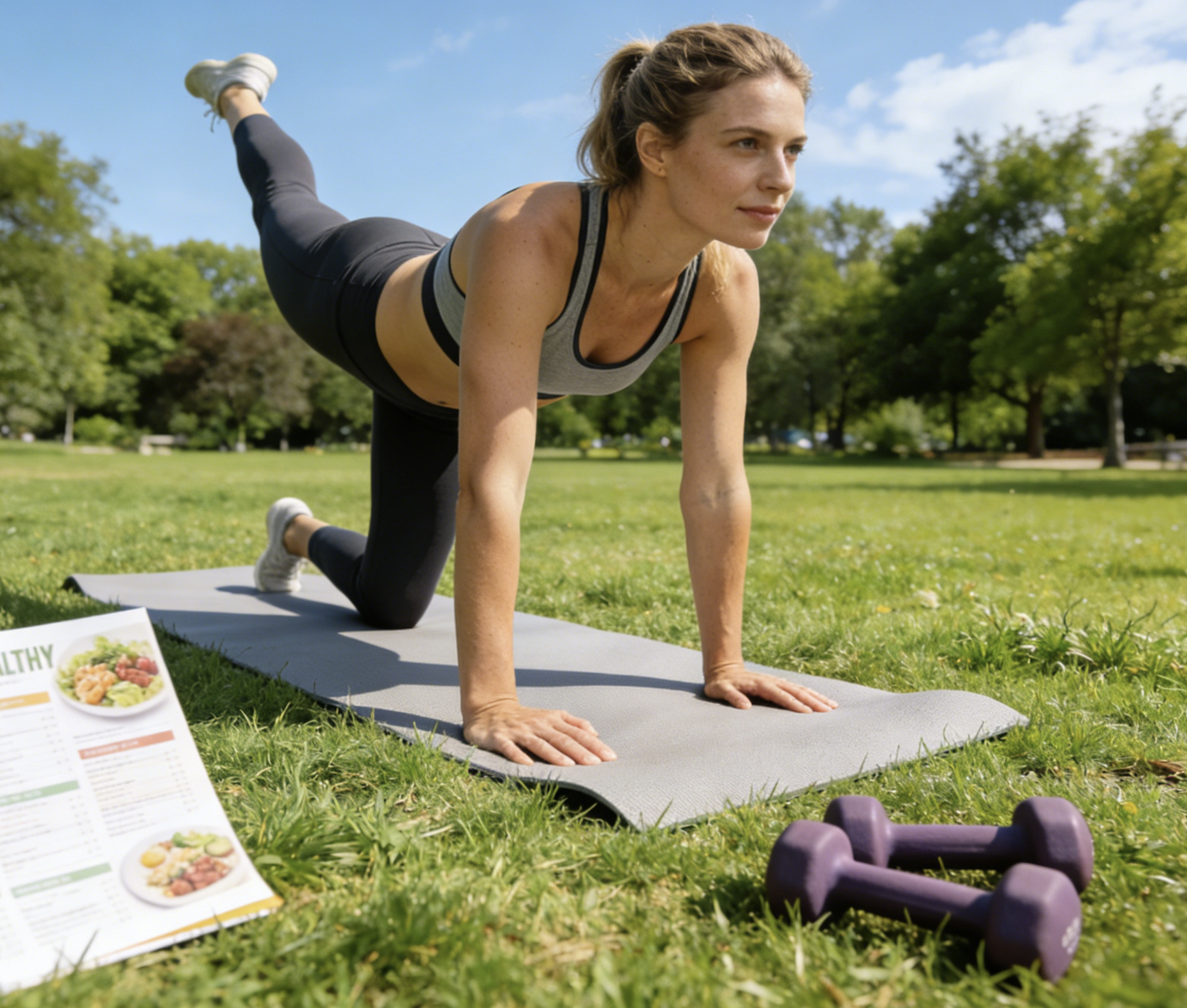
Street dance, jazz dance, and belly dance: three trendy dance styles and their slimming secrets.
This article details the different styles of hip-hop and their fat-burning effects, as well as the characteristics of popping, breakdancing, and other dance forms. It explains the fitness benefits of jazz dance (cardiopulmonary endurance, muscle strength, flexibility, coordination, etc.) and key techniques. It also introduces the shaping effects of belly dance on the waist, abdomen, and hips,...
2026-04-10
In-depth analysis of the principles of massage for weight loss and basic techniques of full-body massage.
This article provides a systematic explanation of massage for weight loss, elucidating the scientific principles behind its effectiveness in promoting weight loss through unblocking qi and blood circulation and facilitating the conversion of fat into energy. It focuses on analyzing the five basic techniques of full-body massage: kneading, pushing, rubbing, grasping, and pressing. The article...
2026-04-10
Precise Measurement of Exercise Intensity: Target Heart Rate Monitoring, Heart Rate Reserve, and Individualized Safety Limits
This article provides an in-depth analysis of the physiological significance of heart rate as a core indicator for assessing exercise intensity. It compares two commonly used formulas for calculating target heart rate: the maximum heart rate method and the more individualized heart rate reserve method, and elucidates the appropriate exercise intensity range for obese patients (resting heart...
2026-04-09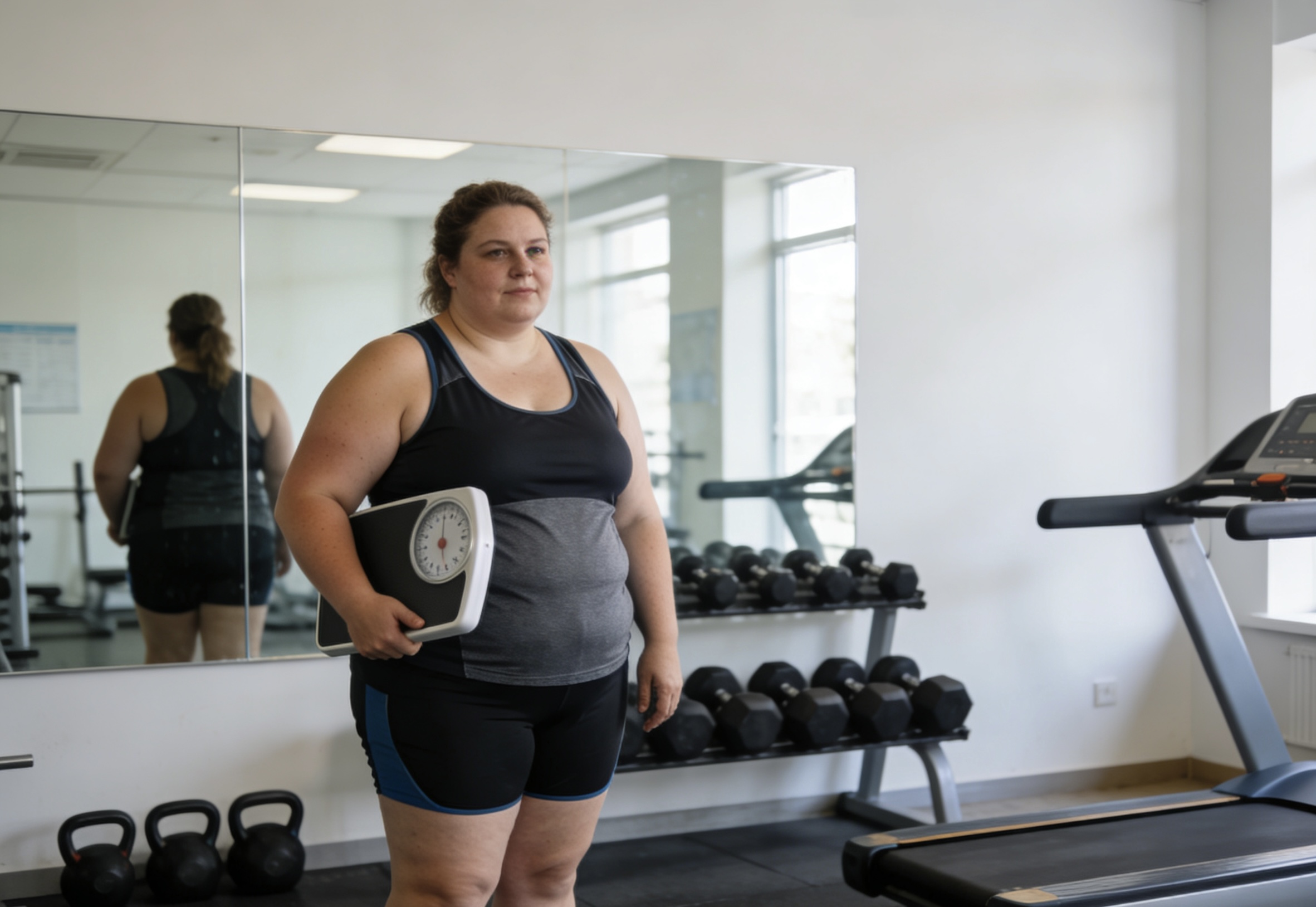
Physiological threshold for fat mobilization: the biochemical logic of continuous exercise for more than 30 minutes and gender differences
This article scientifically explains why fat-burning exercise must last for at least 30 minutes. By introducing the "proximity principle" of skeletal muscle energy supply, the article explains the mechanism of glycogen preferential utilization in the early stages of exercise. It details the complex hormonal involvement and enzymatic reactions required for fatty acid mobilization, and...
2026-04-09
Phased, customized exercise prescriptions: Scientific weight loss schedules for teenagers, white-collar workers, and the elderly.
This article develops differentiated exercise strategies for weight loss targeting three core groups: adolescent students, office workers, and obese elderly patients. The content includes scientific recommendations for fully enclosed interventions during winter and summer vacations, exercising during the prime time after get off work, and morning/after-dinner walks for the elderly....
2026-04-08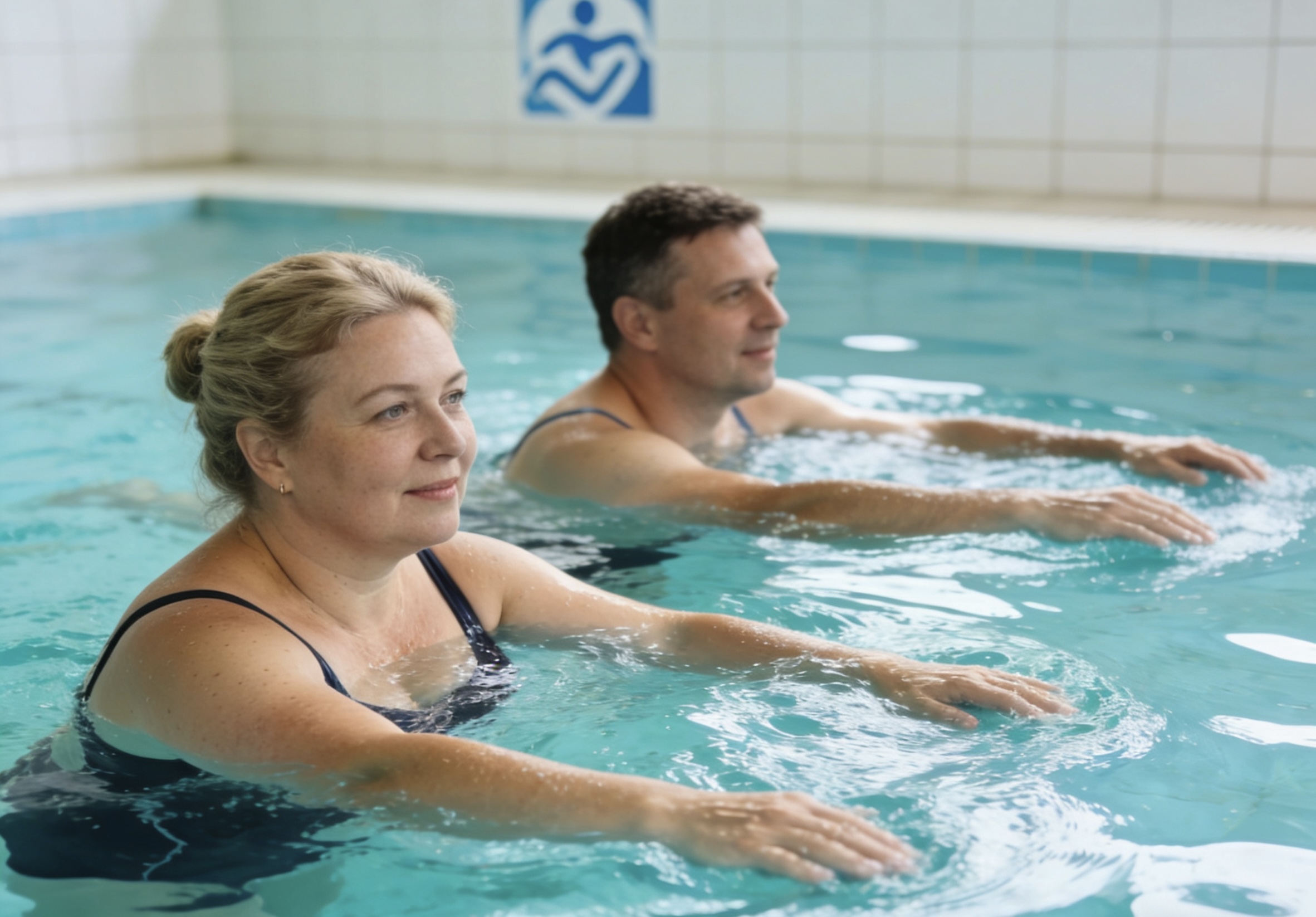
Targeted muscle sculpting and body maintenance: Advanced strength training for thighs, abs, and arms.
This article details advanced strength training exercises for areas such as the thighs, abdomen, and arms, aiming to improve metabolism and refine muscle definition through scientific targeted exercises. It also opens a chapter on "The Great Battle to Maintain Your Figure," revealing five core keys to successful weight loss, including social etiquette, sugar control principles, and the...
2026-04-08
Six-pack abs and partner workouts: A complete guide to strengthening core muscles and social fat-burning exercises.
A strong core is key to a beautiful figure. This article breaks down specific exercises for the abdomen and shoulders, including plank stretches, crunches, and shoulder raises. A special recommendation is the "Partner Exercise Program," which emphasizes reducing fatigue and increasing motivation through interaction with a partner. From "Partner Backrest Squats" to strengthen the glutes to...
2026-04-07
Exercise Rehabilitation and Multiple Weight Loss Pathways: A Review of Metabolic Protection During Cool-down Activities, Hypoxia Weight Loss Mechanisms, and Multidimensional Weight Loss Methods
This article details the role of cool-down activities in clearing metabolic waste and promoting sustained fat burning during a complete physical fitness session, and scientifically analyzes the hormone mobilization mechanism for weight loss in low-oxygen environments at high altitudes. Simultaneously, the article systematically reviews current mainstream weight loss methods, comparing the...
2026-04-07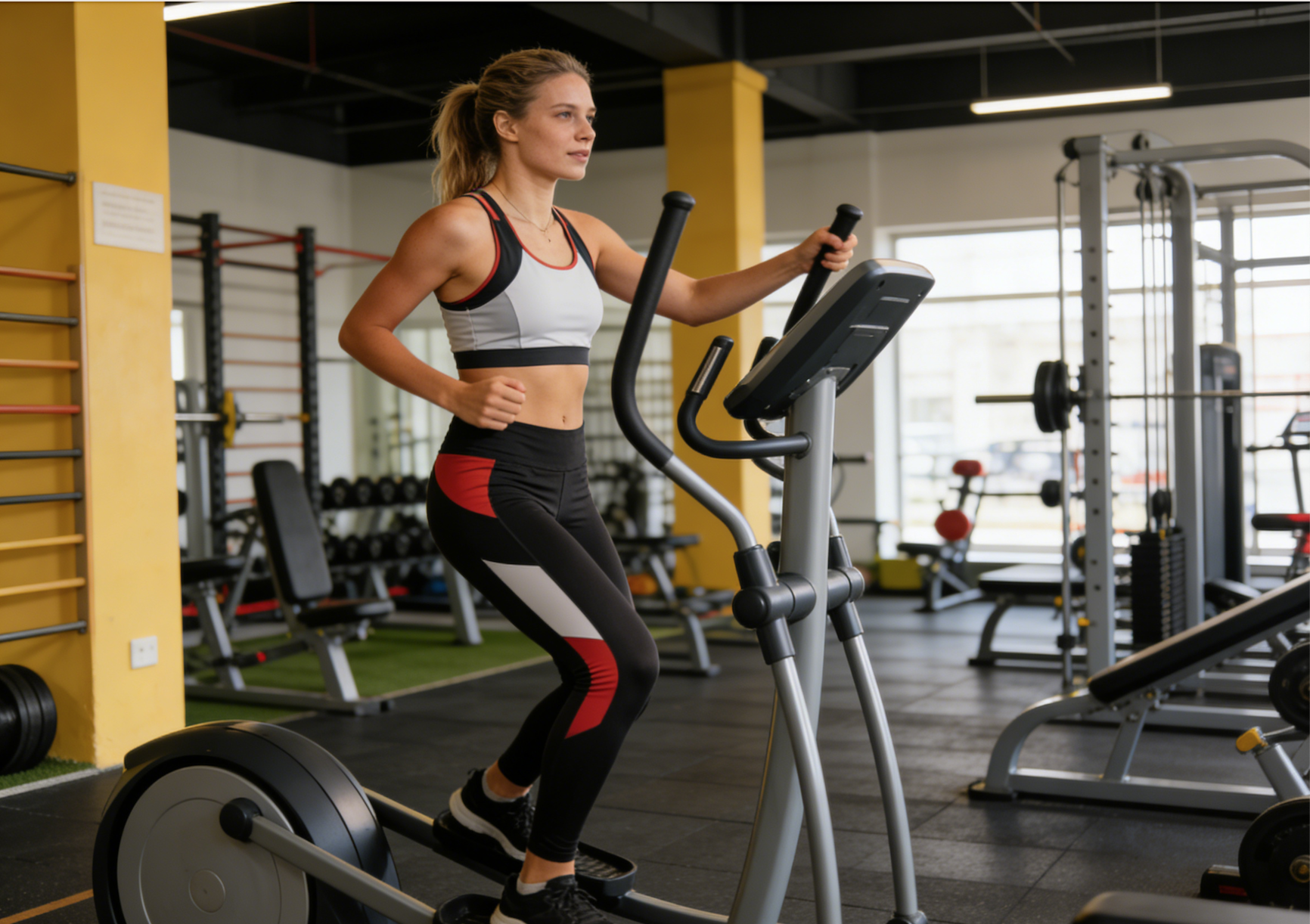
Scientific prevention of side effects from exercise for weight loss: from monitoring sports injuries and supplementing nutrients to avoiding exercise-induced fatty liver.
This article systematically explores the potential risks and coping strategies during exercise-based weight loss. It delves into the causes of joint and muscle injuries common in obese individuals, criticizes the nutritional and metabolic disorders resulting from excessive dieting, and specifically points out the possibility of "exercise-induced fatty liver" caused by an imbalance between fat...
2026-04-06
Upper limb and shoulder massage for weight loss: improves muscle metabolism and eliminates excess fat.
This article focuses on localized massage techniques for weight loss in the upper limbs and shoulders. By stimulating key acupoints such as Quchi and Neiguan, combined with vigorous techniques like rubbing, shaking, and kneading, the aim is to improve local muscle metabolism and increase fat burning. The article also provides supplementary massage plans specifically for those with thick palms.
2026-04-06
The Life Logic of Lifelong Exercise: Combating Aging, Reshaping the Mindset, and Overcoming Weight Loss Platforms
Why is exercise considered the only "fountain of youth"? This article not only shares nine motivational strategies to maintain enthusiasm for exercise but also delves into its profound significance for middle-aged and elderly individuals, as well as those trying to lose weight. The article points out that muscle loss caused by simple dieting destroys metabolism, while strength training can...
2026-04-05
Correcting Myths about Fat Loss and Physiological Monitoring: Limitations of Sit-ups, Precise Application of Morning Pulse Measurement and Target Heart Rate
This article effectively debunks the popular misconception that "sit-ups reduce abdominal fat" and analyzes the limitations of localized exercise in fat mobilization. It highlights the morning pulse as a core indicator for assessing exercise load and recovery, detailing the specific applications of the "maximum heart rate method" and the "heart rate reserve method" in determining target heart...
2026-04-05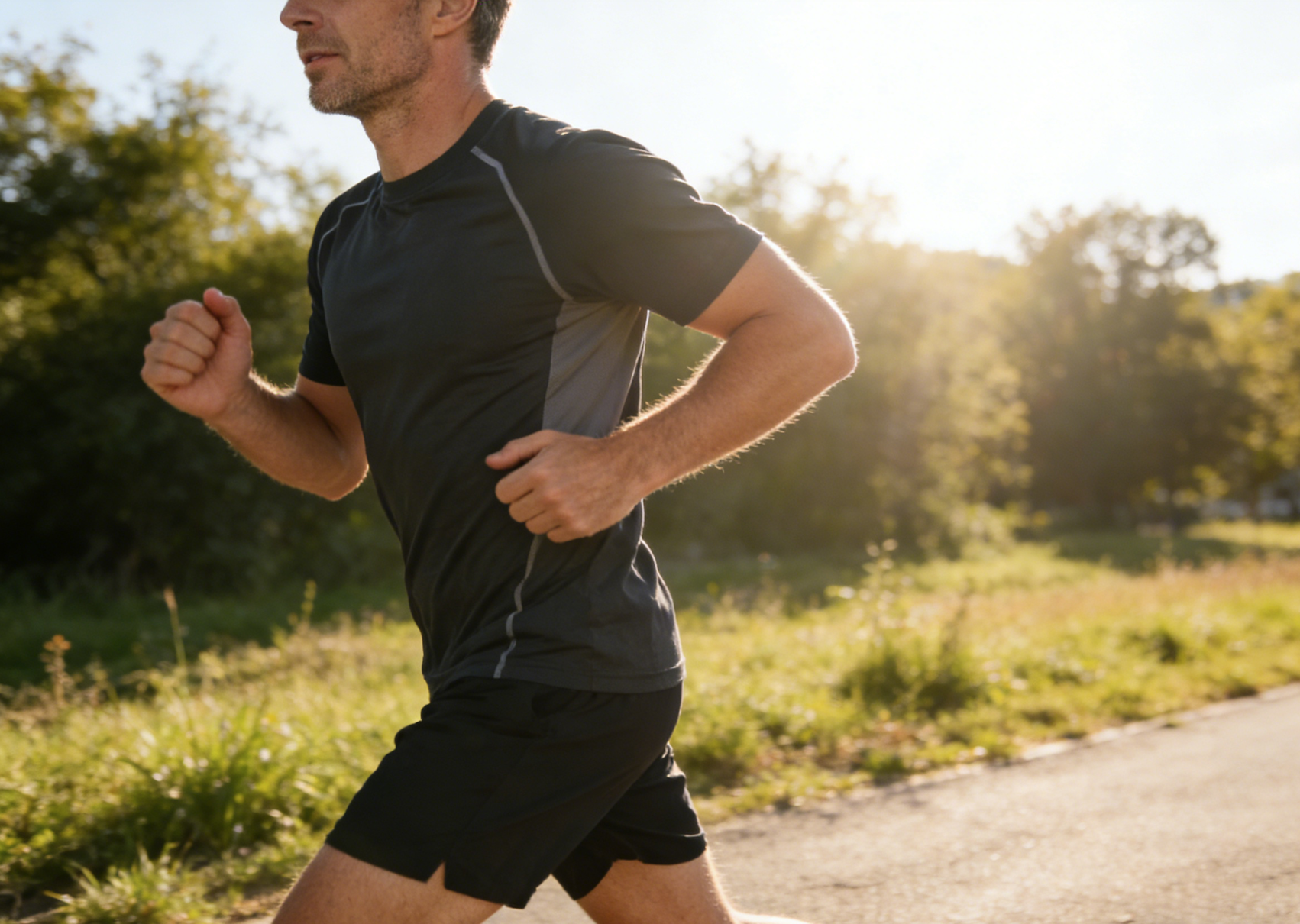
The Art of Mastering Exercise Intensity: From a 1-10 Level Motion Scale to a Comprehensive Strength and Stretching Guide
How is exercise intensity defined? This article details how to use a breathing and body awareness scale (1-10 levels) to accurately pinpoint your "sweet spot" for fat burning (level 7-8). It refutes the misconception that women who do strength training will become "muscular men," explaining the unique value of strength training in combating aging, increasing metabolism, and sculpting muscle...
2026-04-04
Obesity management from a public health perspective: the effectiveness of national fitness policies, healthy life expectancy, and body center of gravity correction
This article discusses the importance of obesity governance from both macro and micro perspectives. At the macro level, it introduces the national measures to combat the obesity epidemic through the national fitness policy; at the micro level, it explains the threat obesity, as a chronic metabolic disease, poses to lifespan. The article specifically analyzes the biomechanical principles behind...
2026-04-04
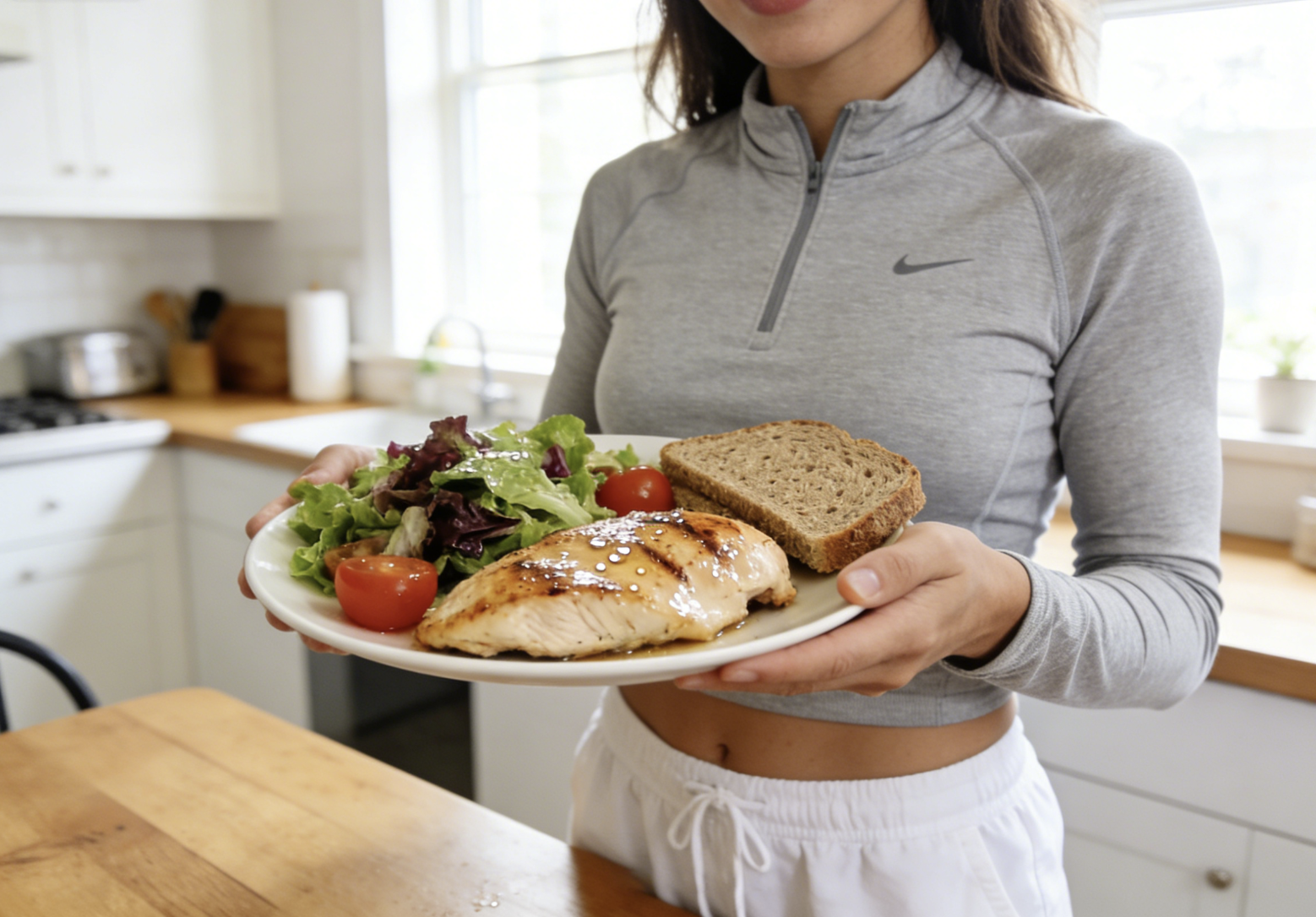
Five medical reasons to consider a low-fat diet: heart disease, high blood pressure, and breast cancer prevention.
There are five major medical reasons to consider a low-fat diet: preventing heart disease, treating a diagnosed heart condition, lowering high blood pressure, preventing breast cancer recurrence, and reducing the risk of Alzheimer's disease. The DASH diet, a dietary therapy for treating high blood pressure, emphasizes fruits, vegetables, and low-fat dairy products. A low-fat diet may help...
2026-04-10
Differential diagnosis and treatment of congenital obesity: Exploring targeted soup-based weight loss formulas by delving into the theory of adipocytes.
This article emphasizes the importance of "treatment based on syndrome differentiation" in weight loss through soups, pointing out that prescriptions must be selected according to individual constitution and type of obesity. It specifically analyzes the challenges and solutions for congenital obesity (adipocyte hyperplasia type). By recommending targeted prescriptions such as "Lotus Leaf, Corn...
2026-04-08
Traditional Chinese Medicine's Differentiation and Treatment of Obesity: A Guide to Four Types and Nine Medicinal Diet Methods
This article provides an in-depth introduction to the unique classification method of obesity in traditional Chinese medicine, including four major types: phlegm-dampness stagnation, qi deficiency with fluid retention, spleen and kidney yang deficiency, and phlegm-blood stasis obstructing the meridians. It also elaborates on the corresponding treatment principles and nine medicinal diet...
2026-04-07
Cupping techniques (including medicinal cupping, needle cupping, and puncture cupping) and clinical contraindications for cupping for weight loss.
This article delves into advanced techniques of cupping therapy, including medicated cupping combined with diuretic and expectorant solutions, acupuncture and cupping combined, and puncture cupping for localized bleeding. The article also emphasizes skin care during cupping, methods for managing blisters, and clinical contraindications such as allergies and ulcers to ensure treatment safety.
2026-04-06
Acupuncture treatment for obesity caused by qi stagnation and blood stasis and spleen and kidney yang deficiency
This article focuses on the acupuncture treatment of obesity based on syndrome differentiation for "Qi stagnation and blood stasis type" and "spleen and kidney yang deficiency type". It details the treatment principles, core prescriptions, and acupoint combinations for concurrent symptoms such as insomnia and menstrual irregularities. By analyzing the relationship between Qi and blood...
2026-04-03
In-depth treatment of "elephant legs": Four-step muscle stretching method and doorknob squatting exercise
Say goodbye to bulkiness; more intense localized stimulation is needed. This article provides a detailed analysis of the "Four-Step Exercise for Slimming Thighs," maximizing body length through active pelvic extension and forward arm extension, and deeply burning thigh fat in a horse stance. The article also specifically introduces exercises targeting the groin, outer thigh, and calf, such as...
2026-04-02
Obesity is a deadly disease: a global warning of "shortened lifespan" and health risks.
This article provides an in-depth analysis of the inherent dangers of obesity as a disease. International research shows that obese individuals have a significantly higher risk of developing diabetes, heart disease, and cancer than the general population. The article details how excess body fat leads to "estrogen dominance" and can induce cancer, as well as the negative impacts of obesity on...
2026-03-27
Obesity assessment from a medical perspective: Clinical application of body composition analysis and bioelectrical impedance analysis
This article details the scientific application and development of body composition analysis in weight loss management. It focuses on core parameters of bioelectrical impedance analysis (BIA), such as intracellular and extracellular fluid, protein, skeletal muscle mass, and visceral fat area (VFA). The article emphasizes the necessity of monitoring weight loss effectiveness through these...
2026-03-27
Clinical psychological intervention techniques for obese patients: cognitive behavioral therapy, dialectical behavior and group therapy
This article systematically introduces various scientific psychological intervention methods for obese patients. It elaborates on the application of cognitive behavioral therapy (CBT) in correcting cognitive biases, the role of dialectical behavioral therapy (DBT) in controlling eating disorders, and the key points of supportive therapy, group therapy, and interpersonal psychotherapy. The...
2026-03-27
Clinical Management of Obese Cancer Patients: New Ideas for Conventional Treatment and Comprehensive Weight Loss
This article explores the unique characteristics and novel approaches to the clinical treatment of obese cancer patients. It analyzes the complex impact of obesity on chemotherapy pharmacokinetics, surgical complications, and prognosis, revealing the existence and clinical significance of the "obesity paradox." Furthermore, the article proposes a novel metabolic intervention strategy combining...
2026-03-27
Standardized Management of Medical Nutrition for Weight Loss: Workflow and Initial Assessment Strategies
This article systematically introduces the standardized workflow for medical nutrition weight loss recommended in the "Expert Consensus on Medical Nutrition Therapy for Overweight/Obesity in China". It details each step from initial screening (BMI, weight loss intention) to in-depth assessment (dietary survey, medical history, biochemical indicators, and psychological state), emphasizing the...
2026-03-27

Myth 8: Supplements can help you lose weight and improve your health-The truth about collagen poisoning and dietary supplements.
The case of the "Blue Man" whose skin permanently turned blue after taking colloidal silver reveals that dietary supplements are not harmless. Americans spend $22 billion annually on supplements, but many products lack scientific evidence. Excessive intake of supplements such as beta-carotene, vitamins A and E, and selenium may increase health risks. Nutritional sources from food are superior...
2026-04-15
The Truth About Natural Weight Loss Supplements: The Safety and Efficacy of Green Tea, Vinegar, and Bitter Orange
"Natural" does not equal safe. Bitter orange (an ephedra substitute) can raise blood pressure; the fat-burning effect of carnitine has not been proven; 4-6 cups of green tea daily can burn approximately 80 calories; vinegar may increase satiety. This article lists common ingredients in natural weight-loss products (CLA, chromium, hydroxycitric acid, etc.) and their facts. High doses of...
2026-04-15
Regularly weighing yourself and recording your diet: behavioral management techniques for successfully maintaining your weight
Weigh yourself weekly (naked after urinating in the morning), allowing for a 5-pound fluctuation. Keeping a food diary helps identify patterns that lead to unhealthy eating. Seeking external support (family, friends, weight loss groups) is crucial for maintaining your weight. Shop outside the grocery store for fresh, healthy ingredients. Take care of yourself and make time for your health....
2026-04-15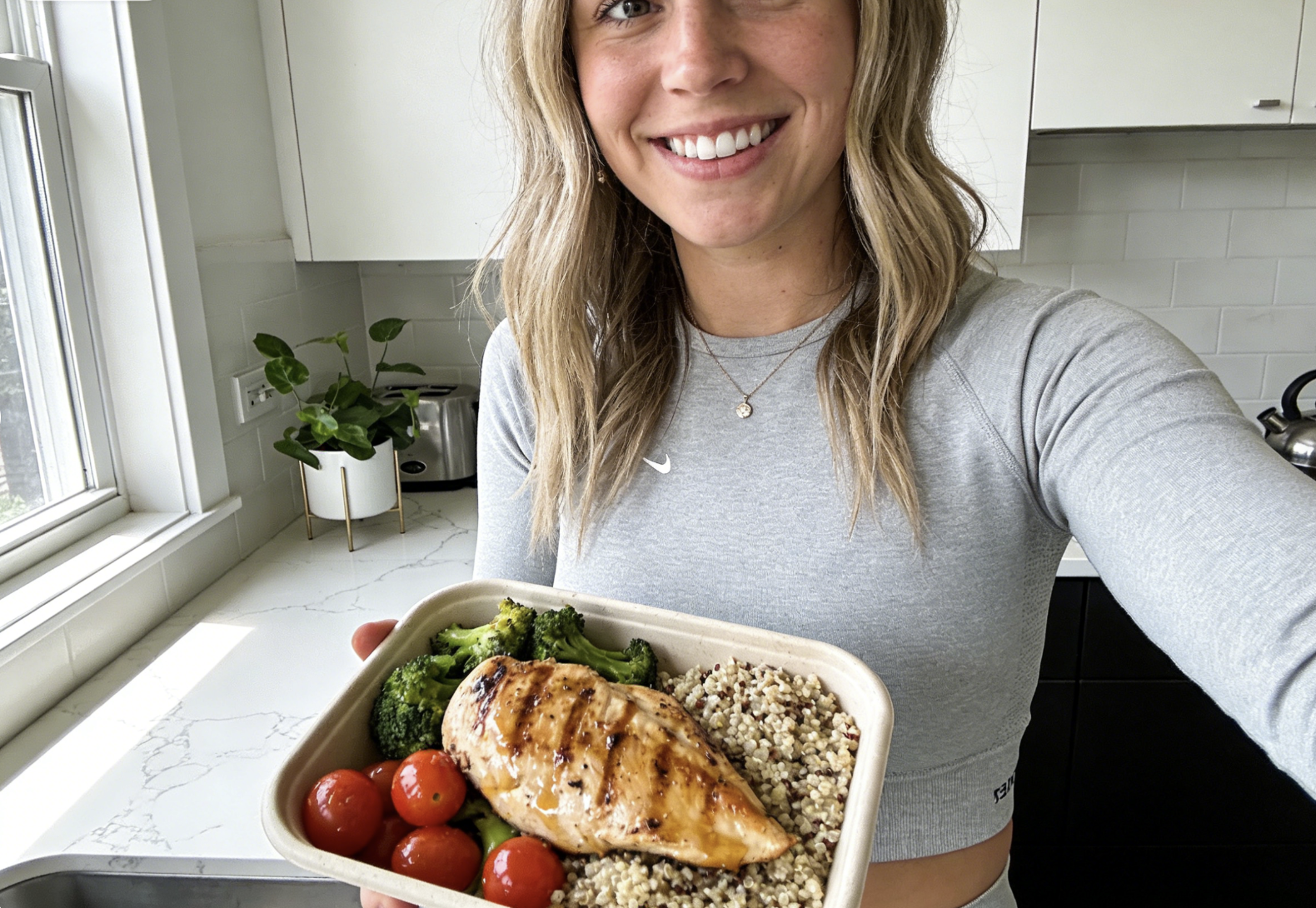
Ten strategies to maintain your weight and prevent it from rebounding: From flexible eating to self-care
To prevent weight loss from rebounding, you need to: adhere to an acceptable diet, maintain flexibility, eat breakfast every day, allow yourself occasional treats, be honest with your clothing size, weigh yourself weekly, keep a food diary, seek support, be kind to yourself, and control emotional eating. Men tend to lose and maintain weight more easily than women because they don't crave...
2026-04-15
Low-fat diets for breast cancer and Alzheimer's disease: scientific evidence and practical advice
For postmenopausal women with breast cancer, reducing fat intake to 33 grams per day can lower the recurrence rate by 20%. Consuming plenty of fruits, vegetables, and olive oil can reduce the risk of breast cancer. A low-fat diet may also reduce the risk of Alzheimer's disease. There is no scientific basis for the food combination method (separating protein, fat, and carbohydrates). Practical...
2026-04-15
Myth 8: Supplements can help you lose weight and improve your health-The truth about collagen poisoning and dietary supplements.
The case of the "Blue Man" whose skin permanently turned blue after taking colloidal silver reveals that dietary supplements are not harmless. Americans spend $22 billion annually on supplements, but many products lack scientific evidence. Excessive intake of supplements such as beta-carotene, vitamins A and E, and selenium may increase health risks. Nutritional sources from food are superior...
2026-04-15
Myth 9: Low-fat diets are futile for weight loss – Onish therapy and women's health research
Dr. Dean Ornish demonstrated that a very low-fat diet (10% of calories from fat) combined with lifestyle changes can reverse heart disease. A large 2006 study found no significant benefit of a low-fat diet in the general population, but women who reduced their fat intake to 20% and maintained this regimen for the longest period had a 22% lower risk of breast cancer. Low-fat diets are more...
2026-04-15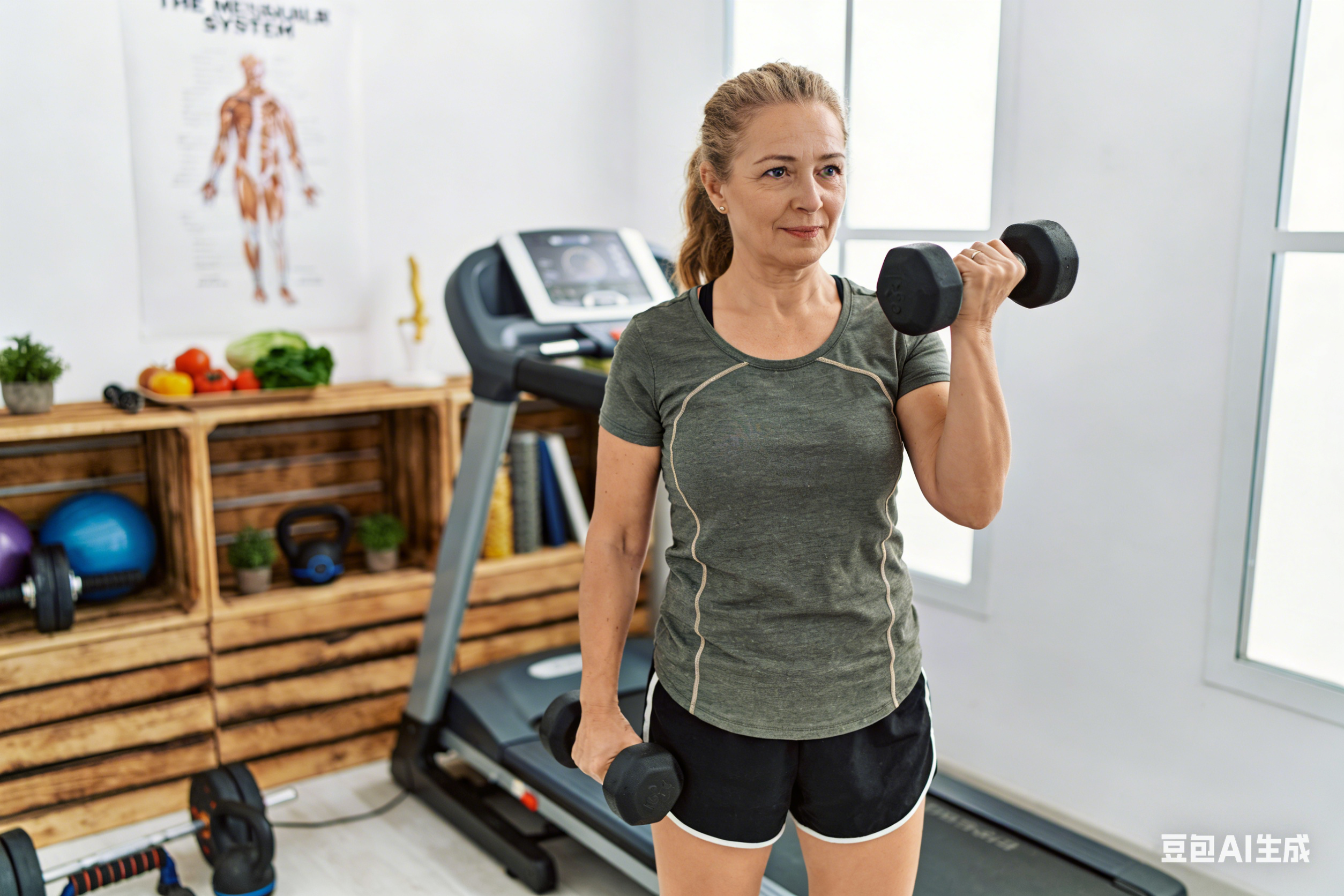
Scientific Nutritional Supplementation: A Guide to Calcium, Vitamin B12, Iron, Folic Acid, and Vitamin D
When you are in a certain stage of life (such as reproductive age, pregnancy, or menopause), your diet may not be able to meet your nutritional needs. This article provides scientifically based supplementation recommendations: calcium for strong bones (requirements vary at different ages), vitamin B12 absorption decreases with age, iron is suitable for pregnant women, folic acid helps prevent...
2026-04-15
All-day hydration and basic moisturizing routine: Secrets to supple skin throughout the four seasons
This solution systematically integrates a 24/7 skin hydration management strategy. Starting with the synergistic effects of basic lotions, serums, and masks, it details seasonal guidelines for intense hydration in winter, moisturizing and protecting in autumn, and refreshing and oil-controlling in summer. It also includes natural hydrating remedies such as brown sugar, white sugar, and...
2026-04-14
Causes and metabolic mechanisms of liver-heat type obesity: Unveiling the liver secrets behind a body type that is prone to weight gain and difficult to lose weight.
This article provides an in-depth analysis of why some people are prone to weight gain and find it difficult to lose weight, pointing out that the core issue lies in the excessively vigorous fat synthesis and metabolism in the liver. Starting from the traditional Chinese medicine theory of "liver heat," it explores the liver's role as the body's heat conversion center. The article details the...
2026-04-14
Sunscreen standards and early-stage sun damage management: Building a scientific photoprotective barrier
This plan provides a detailed overview of the correct application standards for sunscreen products and initial emergency interventions for sun damage. It covers SPF selection, precise application dosage, eye-specific sun protection techniques, and natural remedies such as using milk, aloe vera juice, and cold compresses to relieve redness and promote skin recovery. It also emphasizes key...
2026-04-14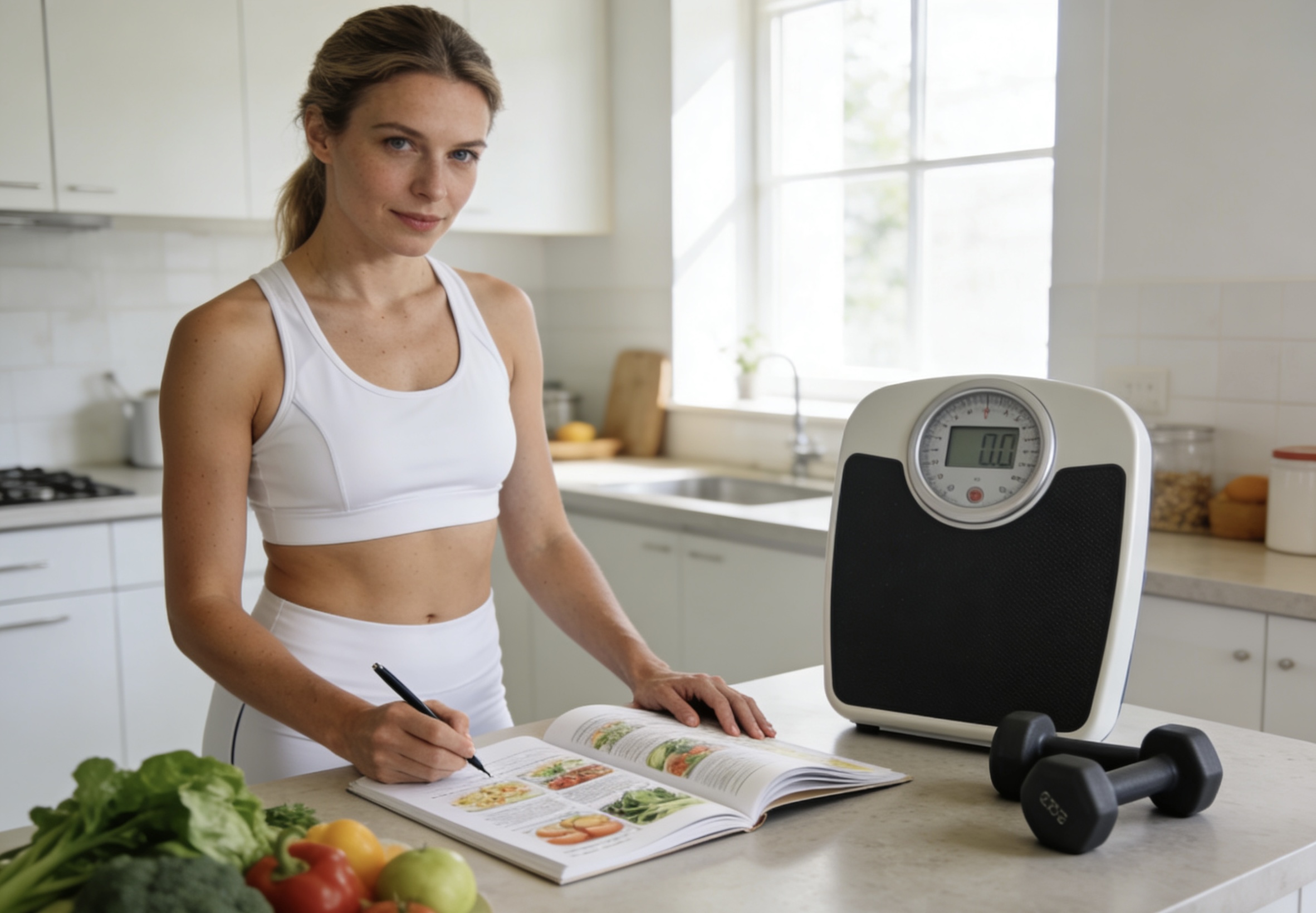
Causes of Localized Obesity and Qi and Blood Regulation: Scientific Strategies for Fat Accumulation in Modern Office Workers
This article focuses on "hidden obesity"-localized obesity-common among modern working professionals. It analyzes the causes of fat accumulation in the abdomen, waist, and lower limbs due to poor blood circulation caused by prolonged sitting and lack of activity in certain areas. From the perspective of Traditional Chinese Medicine's concept of "Qi deficiency and Qi stagnation," it explores...
2026-04-14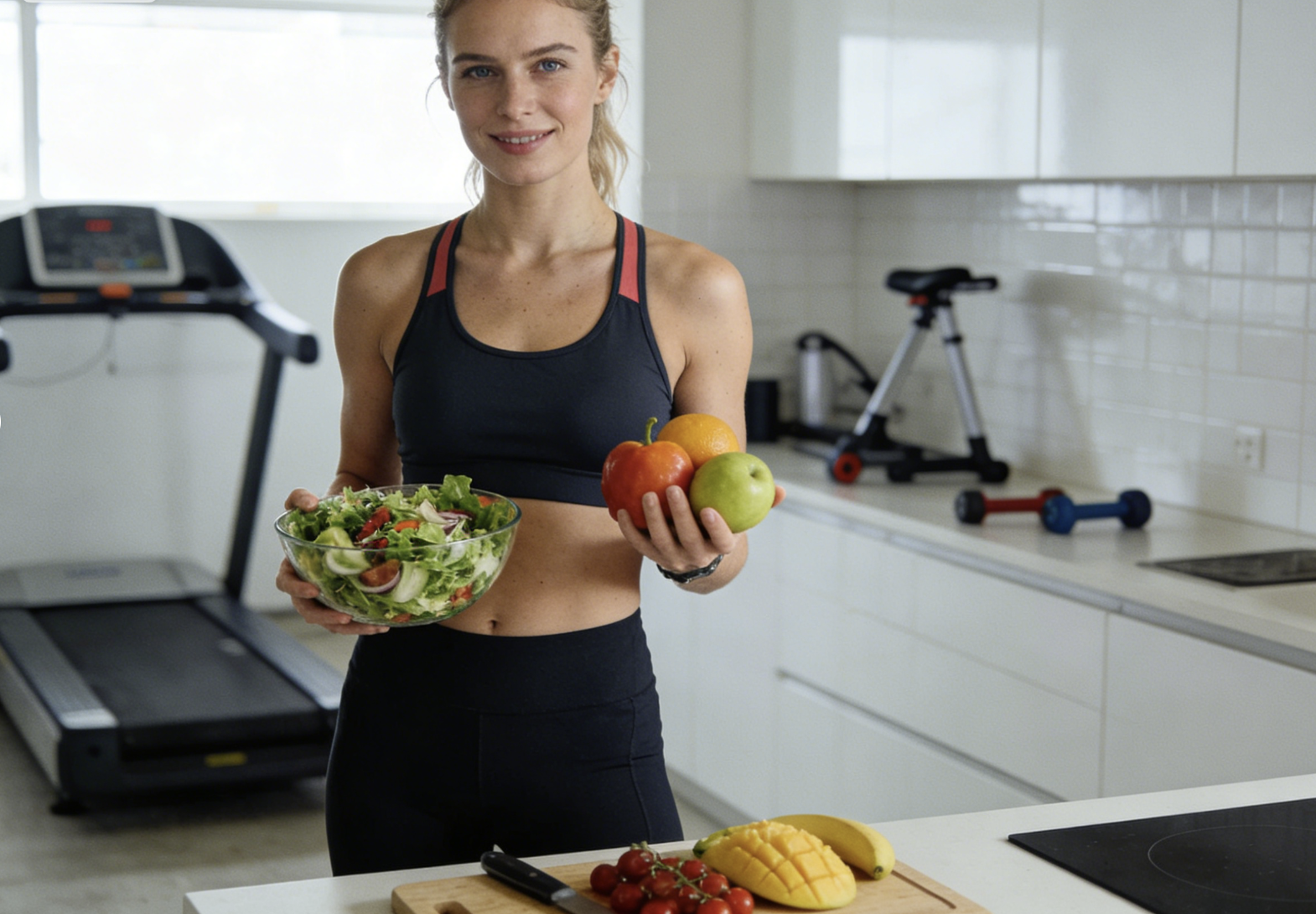
Strengthening the body's foundation and delaying aging: Deer antler and tortoise shell soup and Eucommia and Morinda officinalis soup for obesity caused by kidney deficiency.
This article explores the profound connection between the concept of "kidney as the foundation of innate constitution" and obesity. It analyzes the mechanism by which kidney deficiency leads to fluid metabolism disorders and the accumulation of phlegm and turbidity. Specifically addressing symptoms commonly found in middle-aged and elderly individuals and those with weak constitutions, such as...
2026-04-14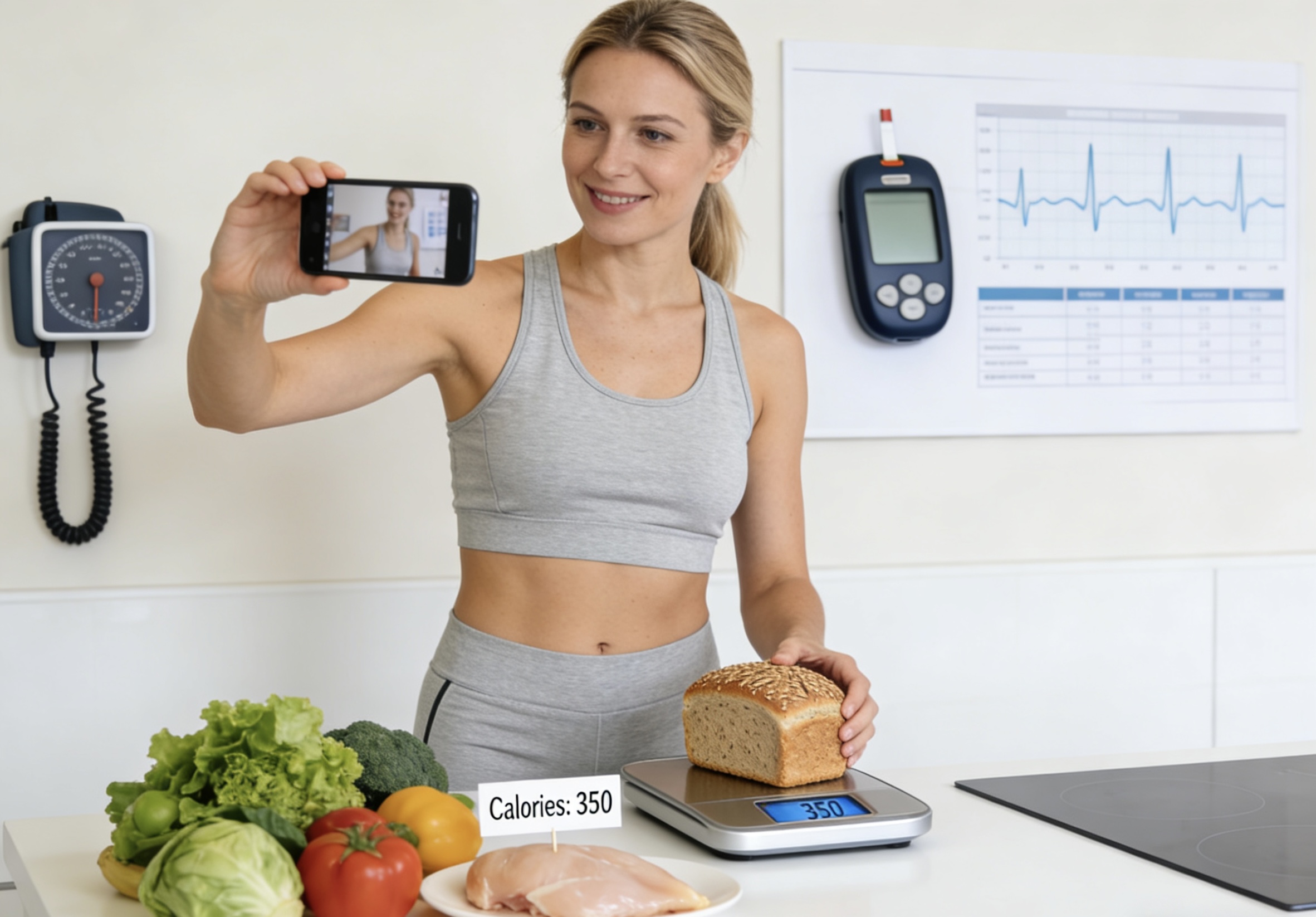
Detailed Explanation of Liver-Soothing, Depression-Relieving, Blood-Activating, and Slimming Decoctions: Motherwort, Angelica, and Jujube Decoction and Rose, Green Tangerine Peel, and Turmeric Decoction
This article introduces two classic conditioning soup formulas for women suffering from obesity due to liver qi stagnation and poor blood circulation. It delves into the core roles of motherwort and angelica in improving menstrual irregularities and promoting blood circulation, while also explaining how rose, green tangerine peel, and turmeric lower lipids and reduce blemishes by clearing...
2026-04-14
Soups for Localized Fat Reduction and Muscle Relaxation: Papaya, Apple, and Job's Tears Soup and Hawthorn Fat Reduction Formula for Localized Obesity
This article recommends two delicious and therapeutic soup recipes for localized fat accumulation in areas such as the abdomen, waist, and lower limbs. It details the dual benefits of papaya in soothing the stomach, removing dampness, and promoting breast enhancement and fat reduction, as well as the key roles of natural ingredients such as apples, barley, and hawthorn in promoting fat...
2026-04-14
Seven Daily Exercises for Breast Enhancement and Waist/Abdomen Shaping
This article details seven simple and easy-to-do breast-enhancing exercises, including chest-lifting and supine exercises, designed to help women achieve firmer, more lifted breasts through everyday movements. The article also covers effective training methods for the waist and abdomen, such as leg-slit exercises and knee-hugging exercises, to help you easily eliminate belly fat and reshape a...
2026-04-14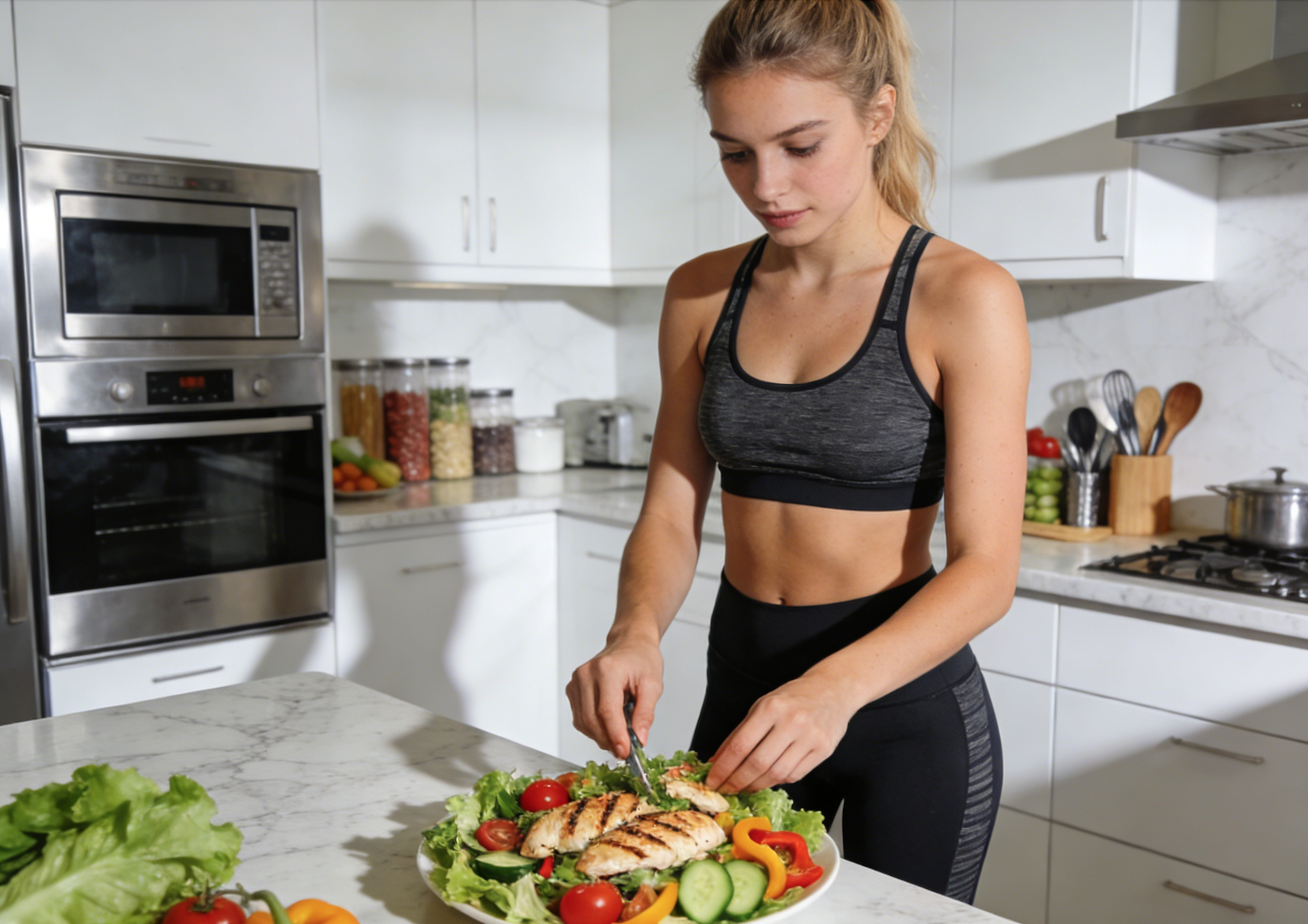
Natural extracts and deep nourishment for hands and feet: a holistic approach to moisturizing and whitening.
This program integrates advanced techniques for facial and full-body targeted care. It covers post-makeup hydration and emergency repair, key points for concealing imperfections, and essential oil massage and dead skin removal procedures for hands and feet. It also details the unique effects of natural ingredients such as vinegar, sake, potatoes, and cucumber yogurt in achieving a flawless,...
2026-04-14
Aid digestion and promote bowel movement: Buzha leaf and water chestnut soup and chicken gizzard and sprouted barley soup for those with a "big belly".
This article focuses on central obesity characterized by a prominent "pot belly." It analyzes the causes of abdominal distension and hardness due to food residue accumulating in the gastrointestinal tract from overeating. Based on the traditional Chinese medicine theory of "the spleen governing transformation and transportation," it proposes improving organ function by gently clearing stomach...
2026-04-14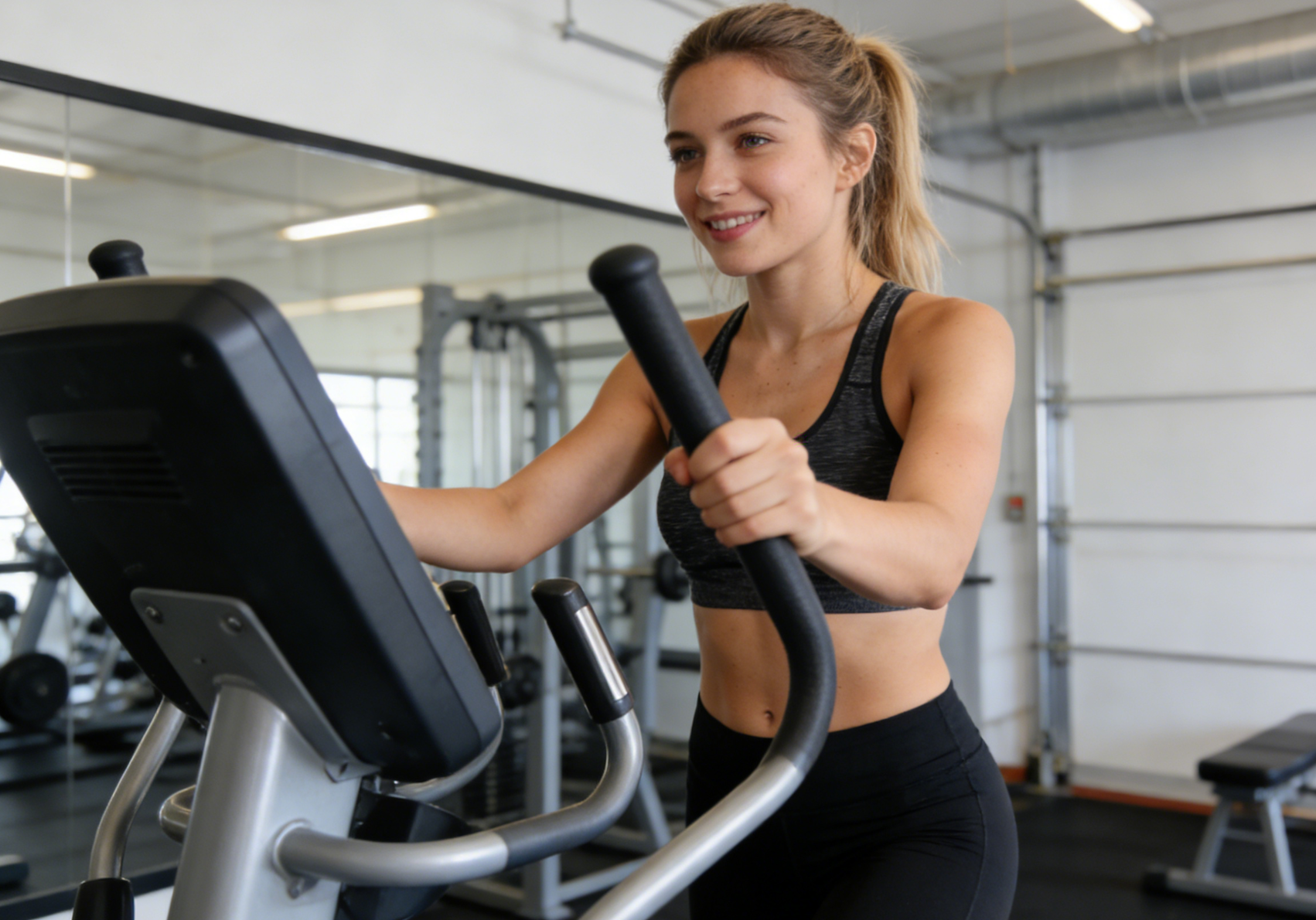
Food safety and energy assessment: From kitchen operating procedures to the precise measurement of food energy density
Healthy weight loss begins with the safety of ingredients and the accurate calculation of energy. This article shares practical tips on removing pesticide residues from vegetables, preventing mold growth on fruits and vegetables, and purchasing safe food. It also delves into the core of nutritional assessment, explaining in detail how to calculate food energy using carbohydrates, fats, and...
2026-04-13
Bone Health and Gut Motility: Calcium Supplementation Strategies and the Remarkable Weight Loss Effects of Dietary Fiber
This article delves into the core role of calcium in the human body and the widespread problem of insufficient calcium intake among Chinese residents. It provides scientific recommendations for calcium supplementation and introduces dietary fiber, hailed as the "seventh nutrient." By analyzing the multiple physiological functions of dietary fiber in weight control, blood sugar regulation, and...
2026-04-13

Hair perming and dyeing interval maintenance and damaged hair cleaning: A guide to hair structural repair
This solution provides a systematic maintenance plan for permed and dyed hair. It establishes a scientifically sound six-month interval between perms, emphasizes the importance of not perming and dyeing simultaneously, and details the professional logic behind shampoo dilution, the double-cleansing method, and the two-week waiting period before dyeing after a perm. It also integrates a...
2026-04-12
Scientific Diagnosis of Obesity: From Subjective Standards to Quantitative Measurement of Standard Weight and Body Mass Index (BMI)
This article aims to correct misconceptions about obesity and introduces various medical diagnostic methods. It focuses on how to quickly compare one's body weight using Chinese male and female standard weight charts, and how to use a practical Body Mass Index (BMI) formula for self-assessment. Through scientific data analysis, it helps readers determine whether they truly fall into the...
2026-04-12
Low-fat diet and weight loss: How to choose a diet that suits you and maintain it long-term
A low-fat diet (20%-30% fat) is crucial for long-term weight loss. Research from the U.S. National Weight Registry found that successful dieters consume approximately 1400 calories per day, with 29% coming from fat. You can choose the formula method (calculating daily fat grams) or the simple method (eating more fruits, vegetables, and whole grains). Fats are categorized as good or bad:...
2026-04-10
Overcoming rebound and the scientific classification of BMI: Building a sustainable weight management system
Losing weight is easy, but maintaining it is difficult. This article explores that the key to maintaining weight loss lies in consistent physical activity and provides several suggestions for psychological and environmental support. Furthermore, the article details the World Health Organization's BMI classification standards to help readers develop a targeted health improvement plan based on...
2026-04-09
The Law of Attraction and the Shaping of Mindset: Envisioning a Slim and Confident Self in the Mirror
This article provides an in-depth analysis of the application of the "Law of Attraction" in weight management, emphasizing how thoughts influence reality. By closing your eyes and imagining your ideal physique in a mirror, coupled with positive emotional experiences, readers can learn how to utilize the immense power of the subconscious to achieve a dual transformation in both body and...
2026-04-08
Weight loss warnings at different stages of life: The truth about obesity evolution and metabolism from childhood and adolescence to middle and old age
This article systematically reviews the characteristics and risks of obesity at different stages of life. It reveals the profound impact of childhood adipocyte proliferation on adult obesity, analyzes the influence of hormonal changes during puberty on body shape, and focuses on the "middle-aged weight gain" caused by a decline in basal metabolic rate in middle-aged and elderly people. By...
2026-04-07
Dietary Guidelines for Staple Food Adjustment Days: Calcium Supplementation and Weight Loss Prevention, Selection of High-Quality Protein, and Practical Techniques for Avoiding Starch Traps
Adjusting staple foods is the core of the menstrual cycle weight loss method. This article provides detailed guidance on how to eat your fill and lose weight quickly without consuming starches, including the positive effects of calcium supplementation on fat metabolism, the selection of low-fat dairy products, and clever tips for avoiding pitfalls for those who frequently eat out or socialize....
2026-04-06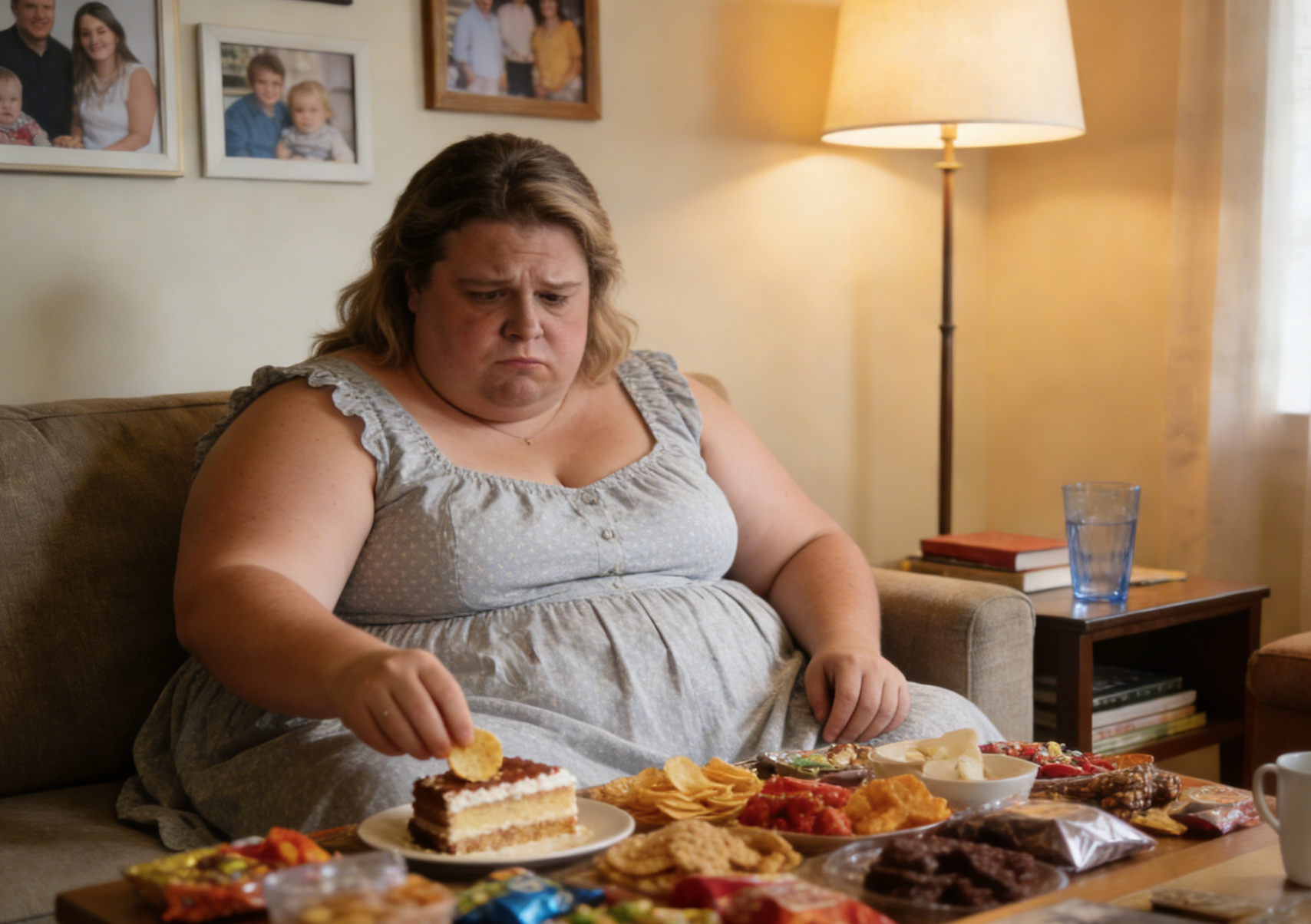
The impact of modern living environment and unhealthy habits on obesity
This article discusses in detail the environmental factors contributing to obesity, including overnutrition, poor dietary habits, lack of exercise, and the complex effects of alcohol consumption and smoking on weight. It emphasizes that high-energy diets and lack of exercise are the main causes of rising obesity rates in modern society, and scientifically analyzes how alcohol consumption...
2026-04-03
The Truth About L-Carnitine and Dieting: The Physiological Limits of Carrier Coenzymes and the Metabolic Crisis of Excessive Calorie Restriction
This article provides an in-depth analysis of the physiological role of L-carnitine as a fat transporter rather than a "weight-loss drug," emphasizing that its effectiveness depends on the amount of energy expenditure during exercise. The article further criticizes the dangers of simply dieting for weight loss, revealing the mechanism by which the body lowers its basal metabolic rate and...
2026-04-02
Functional imagery training and long-term weight maintenance strategies after weight loss
This article introduces the significant role of Functional Imagery Training (FIT) in enhancing weight loss motivation and utilizes social psychology theories such as the "herd effect" and the "south wind effect" to optimize the weight loss management environment. The article focuses on the core challenge of maintaining weight after weight loss, analyzes the behavioral characteristics of...
2026-03-28
Human energy metabolism and the metabolic characteristics of obesity
This study analyzes the composition of energy expenditure in obese individuals, the principles of energy measurement technology, and the pathological changes in carbohydrate and fat metabolism during obesity.
2026-03-27
Gut microbiota and energy homeostasis: How hidden organs affect metabolism
This article delves into the core role of the gut microbiota as a "hidden organ" in metabolic health. It focuses on how an imbalance in the ratio of Bacteroidetes to Firmicutes affects energy absorption, and elaborates on how microbial metabolites (such as short-chain fatty acids, tryptophan products, and lipopolysaccharides) cross the blood-brain barrier or activate immune pathways, thereby...
2026-03-27
The key to boosting metabolism: The amazing slimming power of a glass of homemade fruit and vegetable juice in the morning.
This article explores the importance of breakfast in kickstarting metabolism throughout the day, explaining why drinking fruit and vegetable juices in the morning can help the body detoxify, replenish energy, and control blood sugar. It compares homemade juices with commercially available products, emphasizing the unique contribution of enzymes and vitamins in fresh fruits and vegetables to...
2026-03-27